The Low-FODMAP Diet: A Beginner's Guide for IBS
FODMAPs are short-chain carbs that ferment in the gut. Here is how the three-phase low-FODMAP approach works — and how to run it without living on rice forever.
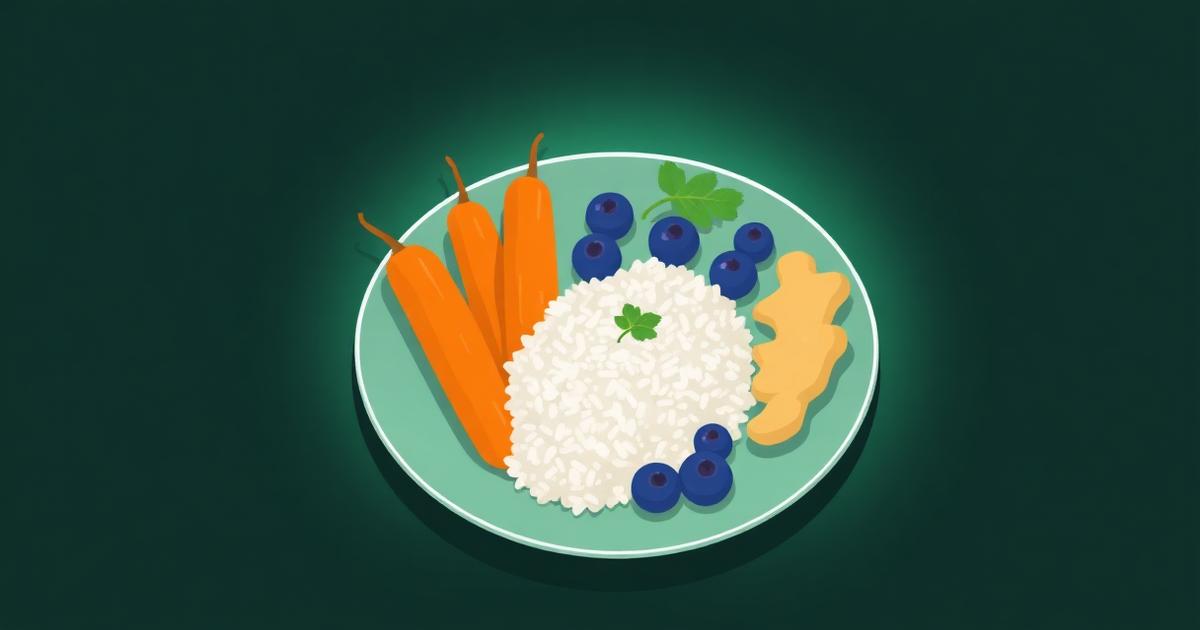
FODMAP stands for Fermentable Oligosaccharides, Disaccharides, Monosaccharides and Polyols — a group of short-chain carbohydrates that are poorly absorbed in the small intestine. In sensitive guts they draw water into the bowel and ferment quickly, which is why a seemingly healthy meal can end in bloating, cramping and urgency.
The three phases
- Elimination (2–6 weeks): remove high-FODMAP foods to calm symptoms and get a clean baseline.
- Reintroduction (6–8 weeks): test one FODMAP group at a time, in increasing portions, while logging symptoms.
- Personalisation: rebuild the widest possible diet that still keeps you comfortable.
The goal is not to stay in elimination. The restriction phase is a diagnostic tool; the value comes from the reintroduction data you collect afterwards.
Easy foods to start with
- Grains: rice, oats, quinoa, sourdough spelt bread
- Proteins: eggs, plain chicken, fish, firm tofu
- Vegetables: carrots, courgette, green beans, bell pepper, endive
- Fruit: blueberries, strawberries, kiwi, unripe banana
Why portion size matters more than the list
FODMAPs stack. A small serving of avocado may be fine, while a whole one triggers symptoms — and two moderate foods in the same meal can add up to a reaction even though each was tolerated alone. That is why simple 'safe/unsafe' lists so often fail in real life.
How Gut Relief AI helps
Instead of managing spreadsheets, you log meals and symptoms in seconds. The app scores each day, watches for delayed reactions, and surfaces the specific foods and portion patterns that correlate with your flares — then suggests swaps you actually enjoy. The AI Coach answers 'can I eat this?' at the moment you are standing in the supermarket.
Always run a full elimination-and-reintroduction protocol alongside a doctor or dietitian, especially if you have IBD or unexplained symptoms such as weight loss or bleeding.